
C. Michael Robinson Is The Politico To Watch: How I Start My Day, Overcoming Stigma as an HIV Positive Politician, + Lessons From My Grandmother
Meet C. Michael Robinson and his journey to shift American politics.

Hello Lush Life friends!
In a landscape where the fight for progress feels like it’s faltered, and authoritarianism has all but become embraced as a new way of life for us in this country, it’s important that we shout our stories from the rooftops, as much as we can.
Think, while it’s still legal.
I recently asked a friend, the incomparable C Michael Robinson, if he would lend his voice and his journey of self actualization, to Lush Life.
He certainly doesn’t need my help in any way- but I want more people in my neck of the woods to know him.
He is, and will continue to be, a voice of the people to watch in the years to come.
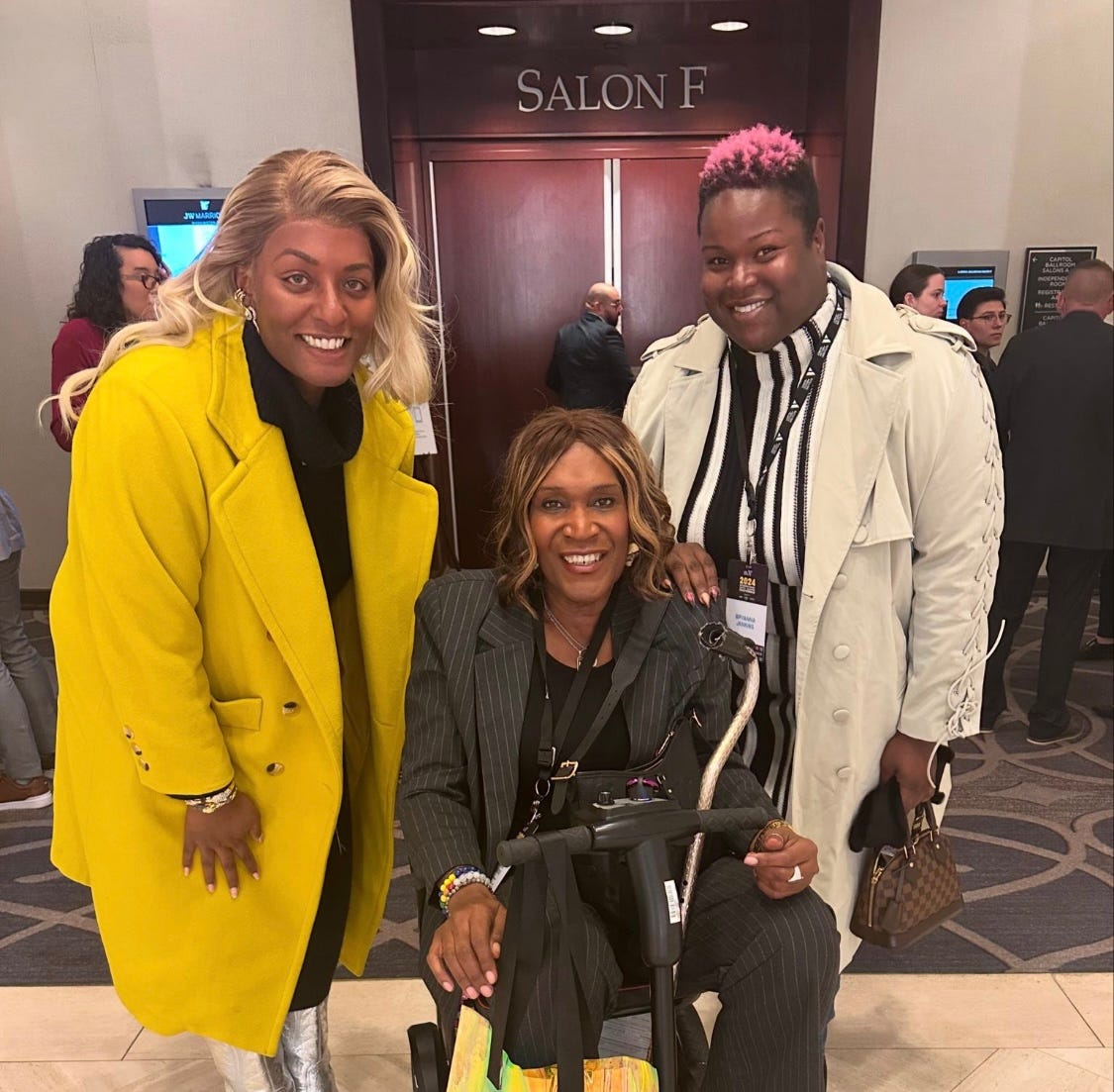
I met C Michael on a blistering cold night in Washington, D.C. in the lobby of the J W Marriott. I was attending the Victory Institute’s annual conference for policymakers and politicos, and a few days in we were desperate for a bite of food that wasn’t catered hotel ballroom fare.
Bryanna Jenkins, noted civil right attorney, was leading our charge to forage for late night dinner options that enliven the spirit on a frosty late night in DC, mere weeks before the Christmas festive season.
Today’s musing is an interview with C Michael, highlighting his beautiful advocacy for his constituents in Pennsylvania as a City Manager and appointed government official- with an impressive track record serving the House of Representatives and his work in public policy.
But it’s also an affirmation, as we watch, frozen, The Trump administration’s declarative move to shutter much of the CDC and National Institute of Health’s acknowledgement of the HIV/AIDS epidemic. The past 40 years of literature and dedicated research have been erased and deplatformed from the archives- the modern era of book burning.
We know that millions will die and be adversely impacted by this move for years to come, across the world. We know that even all these years since the first series of HIV/AIDS diagnosis weee discovered, that a great deal of stigma is pervasive, even in scientific and progressive spaces.
Telling our stories is crucial- to normalize our lived experiences, and to capture the fullness of life we all strive to live- even when we have to muster resilience over and over again to get there.
Thank you C Michael for lending your voice, being vulnerable and allowing me to help tell your story for a small corner of the internet. I love you, and can’t wait to see all the new milestones and victories for our folks that you are leading, still to come.
“How I Start My Day”
Aria: I always love to ask, How do you start your day?
C. Michael: I always start my day with a call to someone I love.
It might be my best friend, a cousin, or a member of my chosen family — but before the emails, the noise, the responsibilities, I make space for a real human moment.
Sometimes it’s just a quick “Good morning, you good?”
Other times it turns into a full conversation before the sun is fully up.
It keeps me connected.
Reminds me I’m not out here doing life alone.
And no matter what the rest of the day throws at me, I’ve already started it in love.
Entering Public Service As A Public Servant
C. Michael Robinson is an Appointed Public Official and Government Affairs Consultant based in Philadelphia, Pennsylvania. You can subscribe to his platforms to stay in the loop here and here.
Aria: C Michael- You have made significant strides in the political arena with your work as the City Manager for Collingdale, Pennsylvania and your previous work with the Pennsylvania House of Representatives and Philadelphia City Council.
What inspired you to work in local government?
C. Michael: Public service wasn’t my first stop, but it’s where I’ve found the deepest alignment.
After high school, I was set on a career in luxury goods — I studied Fashion Business Management at LIM College, interned at Gucci, and held roles within fashion houses such as Birger Christensen, Giuseppe Zanotti, and Estée Lauder.
But even as I climbed those ranks, I was navigating deep instability.
I was working while also navigating being homeless, cycling through couches and short-term stays, priced out of housing, and eventually forced to leave school with $40,000 in debt and no degree to show for it.
That period — my early 20s — activated what I now call my bureaucratic brilliance - the instinct to decode, disrupt, and redirect systems of power.
I developed a sharp instinct for systems: how to navigate them, how they fail people, and how they might be repurposed to serve instead of punish.
Being Black, queer, and unhoused during “the tens” was not uncommon — but it was isolating.
Many of us who lived openly outside the margins paid a price: exile, violence, disinvestment.
I was lucky in that I had a middle-class foundation, so I knew how to find loopholes and leverage federal benefits when I needed them.
Eventually, people in my community — folks going through similar things — started coming to me for help. I shared what I knew.
I advocated. I built workarounds. I’ve been doing that ever since.
That’s how it started: not with ambition, but with necessity — mine, and everyone else’s.
Eventually, I formalized that instinct. I enrolled in a psychology program at CUNY, began mentoring youth, and ran an adult literacy program that layered in civic education. I didn’t just want people to know how to read a ballot, but how power flows - and how to move within it.
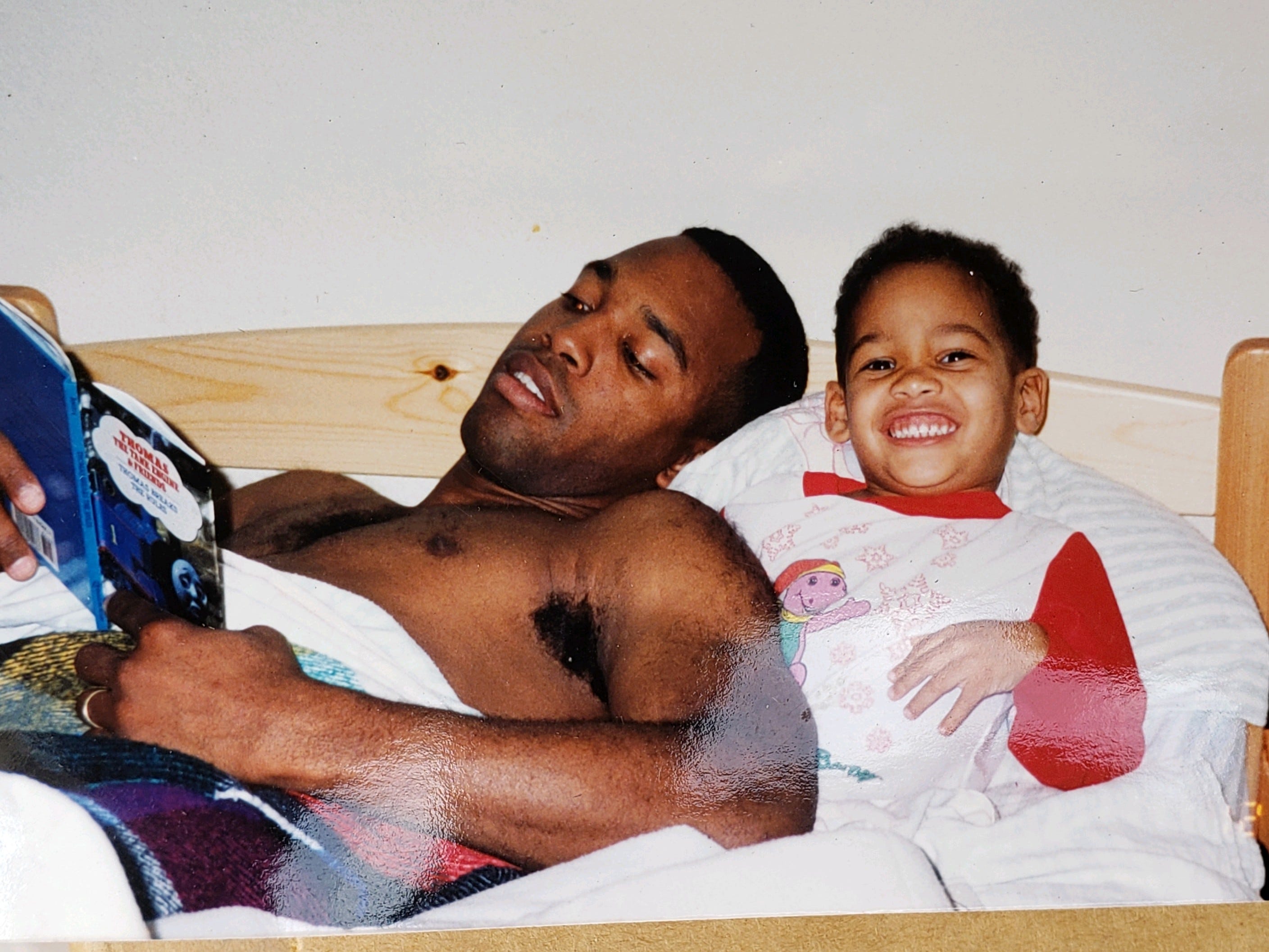
I also come from a family with deep roots in public service — not the glossy kind, but the grounded kind.
My grandmother was a public school teacher and union leader in Philadelphia, always pushing civic engagement.
My father helped diversify the LA County Sheriff's Department after the Rodney King uprising and just retired after 35 years in city and county service. My maternal grandfather was a trailblazing police chief in LA County Parks. My aunt has served two different California cities as a local legislator — I’ve studied her career closely since I was a adolescent. And my cousin is now the sole at-large Councilmember in Oakland.
So while I didn’t inherit a political dynasty, I did inherit a deep respect for community leadership — and the stubborn belief that systems should work for people, not against them.
Local government is where all of that converges for me: lived experience, policy instinct, and a personal mission to make bureaucracy more humane.
It’s not glamorous work, but it’s honest work.
And in this moment, I think that matters most.
Journey To Self Discovery
Aria: You’ve shared your journey to self discovery, having navigated being homeless in New York, and navigating adversity.
What lessons would you share for folks who may be navigating a challenging time in life and who see you as a beacon of possibility?
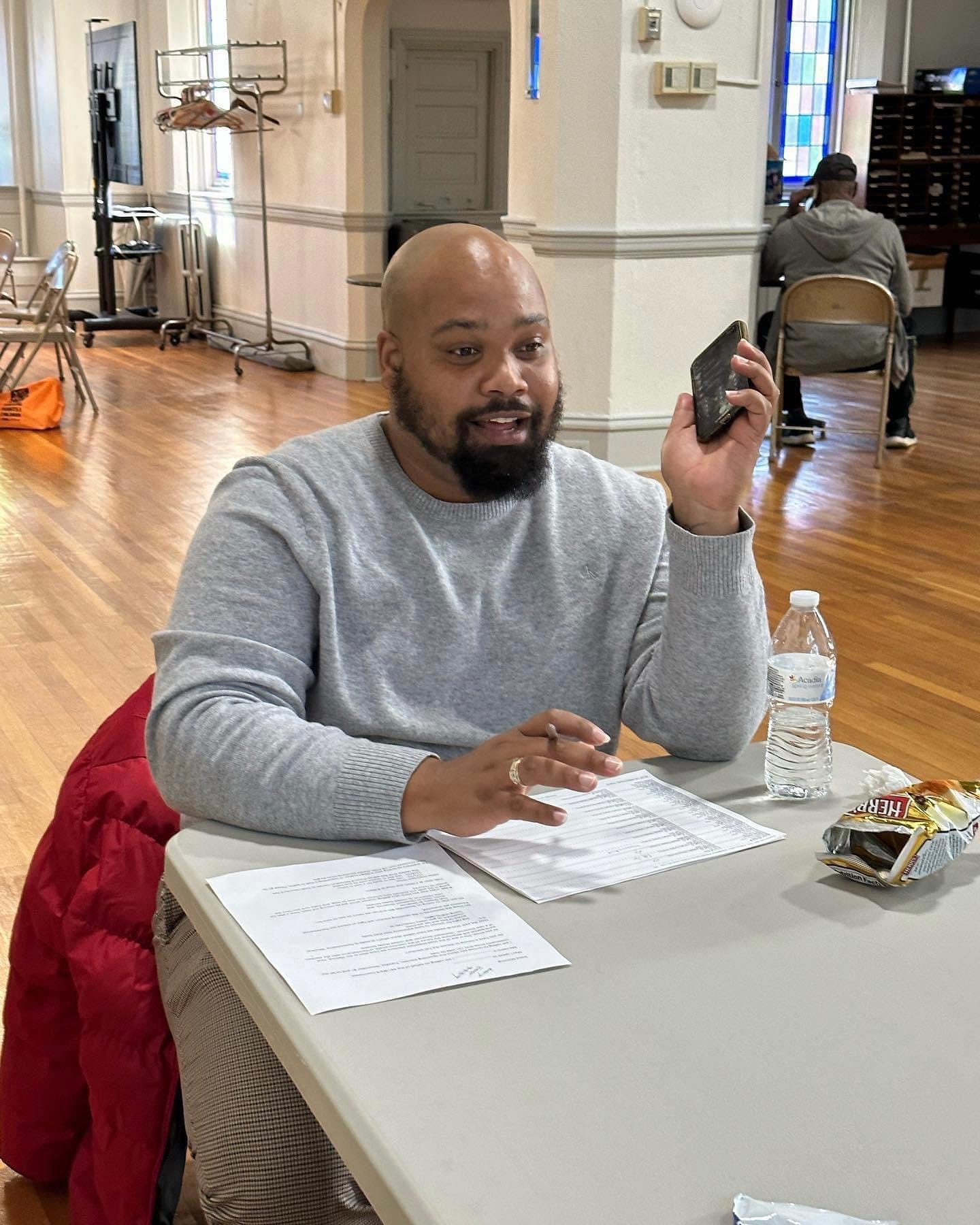
C. Michael: I never set out to be anyone’s “possibility model.”
At first, I was just trying to take up space in a system that rarely makes room for openly Queer people — especially those of us who are Black, poor, or unfiltered.
I think I had a bit of a Robin Hood complex, honestly.
But over time, the fruit of that work started to show.
I started getting messages from former students in my opportunity youth programs — many of them are now college graduates working in public service and the humanities. My adult literacy students are able to navigate life with more confidence, caring for their families in ways they once thought impossible.
Some of the folks I came up with — people who were written off as pariahs — are now thriving, grounded, and leading lives on their own terms.
It’s taught me this: we are the sum of our works.
Not our titles. Not our trauma.
The actual work we put in — for ourselves, and for each other.
I’ve lost too many friends to the cracks in the system.
And I worry deeply about the next generation of young people, coming of age in a world that feels increasingly hostile.
So if my story, my survival, or my service can reflect even a glimmer of what’s possible? That’s not a burden - its a responsibility I carry with gratitude.
Being “Out” + Overcoming HIV Stigma
Aria: Something that doesn’t get highlighted enough is how you are one of few- openly HIV positive political leaders in the US.
In a time when the current administration is attacking queer and trans folks- and the CDC is destroying decades worth of dedicated research and funding on addressing the HIV epidemic.
How can we as a broader community, help to eliminate bias and stigma? How has sharing your journey empowered you?
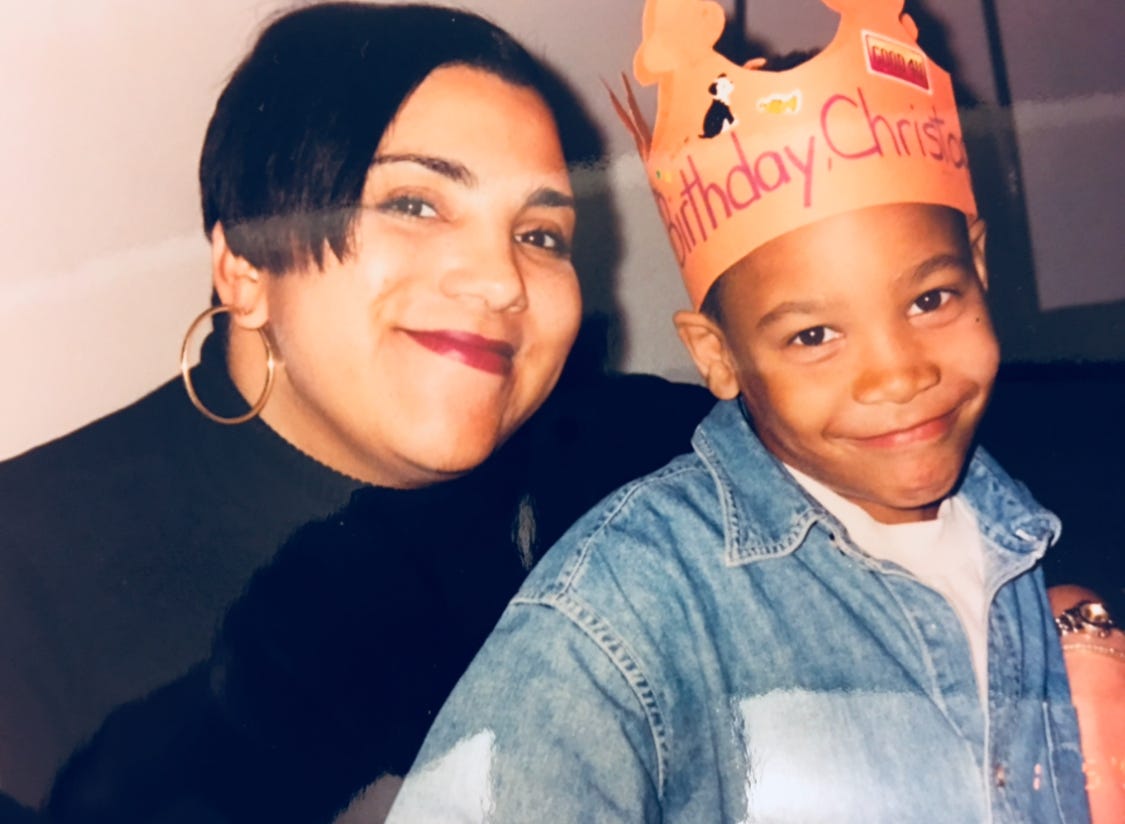
C. Michael: Honestly, I never intended to “come out” about my HIV status.
I’ve always believed it was nobody’s business but mine and my partners’. And like many people living with HIV, stigma played a big role in that silence.
People say cruel, ignorant things when they think you’re negative — and even worse when they know you’re not.
I shared my status publicly several months before my appointment as Borough Manager, during a social media campaign for #HIVAwarenessMonth.
I was marking 11 years of thriving. But what I didn’t expect was how much I would be moved by the community I found. That campaign revealed to me a whole generation of openly positive youth coming after me — bold, unashamed, and walking in their truth with a kind of authenticity and bravado that shook me.
I realized I wasn’t early to this movement — I was late to the party. And I was inspired by them to stop hiding.
Still, when word got out, I had colleagues — even so-called progressive ones — refer to it as “career suicide.”
I disagree. Strongly.
There is privilege in my presence.
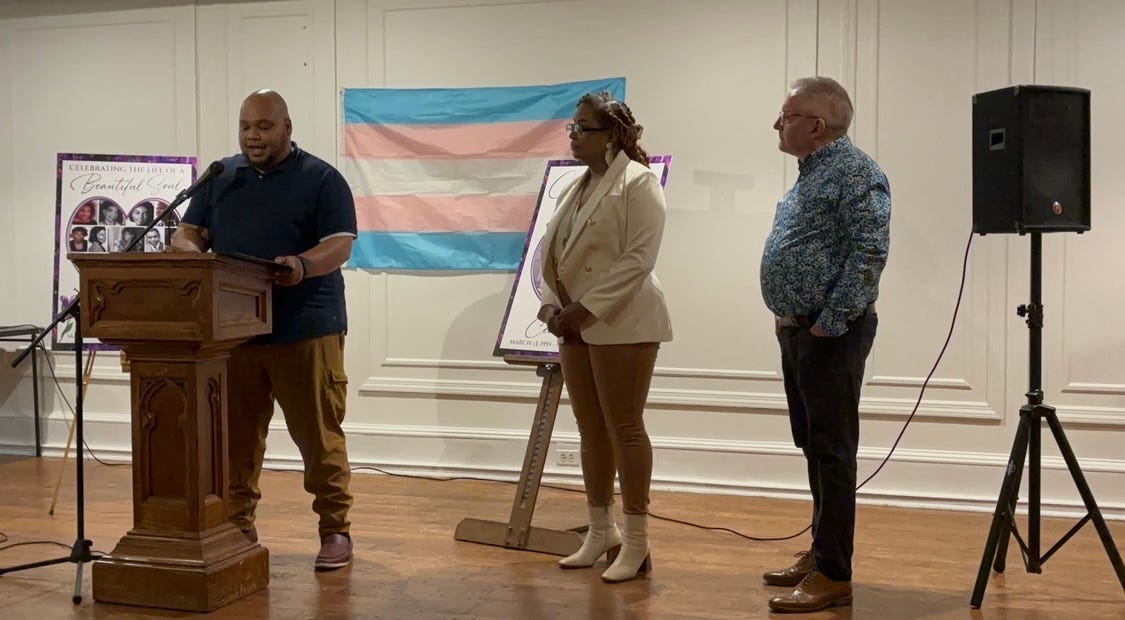
Every day I show up in public service, I get to confront someone’s outdated ideas about what it means to live with HIV.
Now, to be clear — I’m not the first public official in Pennsylvania living with HIV.
But I may be the first to brave the scrutiny of saying it out loud, in office, in real time.
That distinction matters.
Silence often masquerades as safety in politics.
I chose something riskier: visibility.
We are on the edge of eradicating this virus — and at the same time, we’re watching an anti-science, anti-truth administration unravel three decades of progress.
That means more barriers to PrEP, to PEP, to early detection and care — especially for Black and Brown youth, trans folks, and low-income communities.
So now, more than ever, visibility matters.
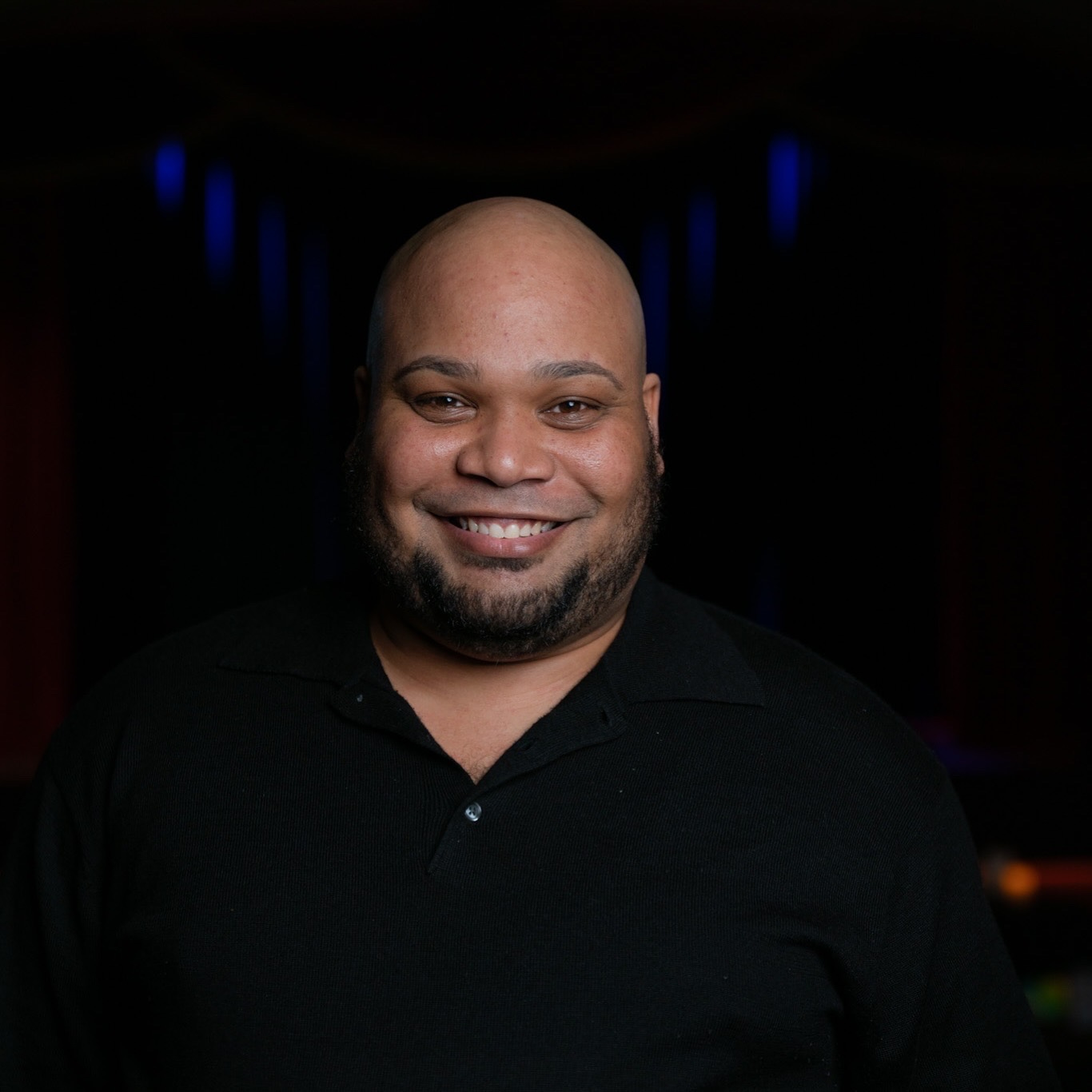
My being here — in this seat, with this story — isn’t about ego or empowerment.
It’s about making sure that the young person who’s diagnosed just moments after this interview goes live knows they’re not alone. That they can still lead. Still love. Still live.
And that they deserve to see themselves — from Congress to council chambers.
Grandma’s Life Lessons
It’s no wonder I’ve made it this far — I was raised by a woman who refused to let me believe otherwise.
And I’m proud to say she’s still with us, still sharp, and still not letting anybody use the word “can’t.”
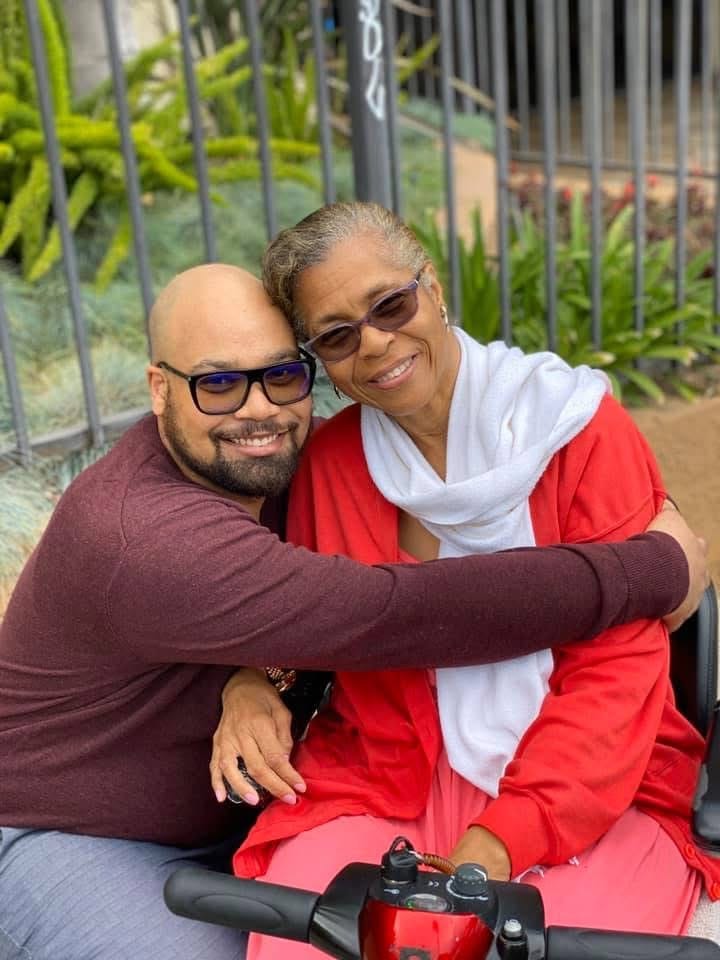
Aria: What is the best advice you’ve received?
C. Michael: “Can’t is NOT a word.”
That’s what my grandmother — a lifelong elementary school teacher — drilled into me from an early age. When my parents returned to work, I spent my formative years under her care while she was recovering from a spinal cord injury.
And even in recovery, she was still teaching — me, mostly.
When I was about three or four, she designed an entire lesson around why “can’t” is a grammatically incorrect expression — and therefore, not a word to be used, even situationally.
It became gospel in our household.
That lesson stuck. She taught me that the limits we place on ourselves often start with the language we use. And so, I learned to speak — and live — in possibility.
I carry that same lesson into every room I enter.
I’ve passed it down to my students, my godchildren, and anyone I’ve had the privilege to mentor.
Item I Can’t Live Without
Wearing his rings reminds me where I come from — even the parts I’m still trying to understand
Aria: What is an object you have that you’d never part with and why?
C. Michael: I never leave the house without one of my grandfather,Elmo Brown’s gold rings.
Elmo was a bit of an enigma to me — we didn’t know each other well.
But he was born into a sharecropping family in Wharton, Texas, and made his way west during the Second Great Migration, eventually landing in Oakland.
In many Black families, gold is more than ornament — it’s inheritance, insurance, identity.
It’s something you pass down when banks won’t, when the system doesn’t.
