
HOW TO SHOW UP ONLINE (When You'd Rather Not)...
an interview with Bilen Mesfin, Noted Crisis Communications Expert + CEO of Change Consulting.


today’s post is long + worthwhile. consider this your new guide. you’re welcome. for best viewing, read in the substack app. you can also skip my esoteric preamble by scrolling down. k bye! - aria
For as long as social media has existed, I have struggled intensely with how to show up online.
You’re shocked, aren’t you? But it’s true.
I am someone who for most of my life has no real ambition to be seen- but the realities and nature of my work propelled me into the growing conversation at the early onset of the “Transgender Tipping Point” and the intersection with a new movement called “Black Lives Matter”.
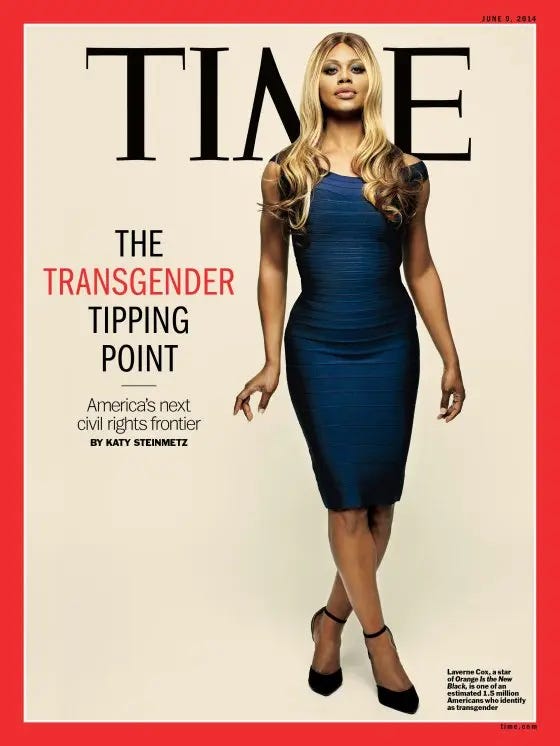
I despised being visible, especially for visibility sake. Fame- and the pursuit of it, is hollow to me. Empty and cold. I have watched many celebrated people in my own life keep chasing it, because it’s loyal to no one. It keeps moving, like trying to grasp at smoke. And yet for some reason at that time, people wanted to hear from me. I’m still intrigued as to why- and it’s the answer I’ll probably never get.
And while that’s how I got here, I am to this day still trying to find my own voice. I am still wondering how do I show up even when I’d rather not?
How does one perform for the internet? It’s a daily struggle- one that for the past few years has been incredibly challenging for me in more recent years.
For the past decade, my talking points were extremely clear: talk about the problems that transgender people face, and how you and the broader movement are working to solve them.
And for nearly 2 decades, I stayed on script. I never deviated from it.
My online presence and its growth was crystal clear: You have a cause to promote, you have to fundraise for it, and you have to move the needle to make change possible.

But after stepping down from the organization I created and dedicated every fiber of my being to:I felt lost.
Since I was 17, I’d been advocating for trans rights.
And now, I am no longer relevant to that conversation. So who am I now?
And how do I show up on the internet without a cause to champion?
Who am I in real life? Like real life? Do I keep showing up? Do people still want to hear from me?
I am not someone who desires to be seen just to be seen. I didn’t- and still don’t know how to show up, without a message or a cause to promote. I have no desire to share my personal life, photos of me and my family, the “going on’s” of my life in real time- and I am not exactly a person you would label as a “friend in your head”.
I am an anti-social introvert who for much of her career, moonlighted as extrovert because that was what my job required. I’m not exactly relatable, or provovative. I’m boring. Really boring.

In a world where people seem to share everything- from how they look when they wake up, to the thoughts on their brain, turning the camera on in real time and recording their rough cut thoughts to their friends and audiences- to celebrities using social media to share provocative thoughts on politics, or releasing their newborn baby’s photos before magazines hunt them down with paparazzi. It has often been a struggle for me to tarce out how do I show up online now?
While I have intentionally kept my personal life quite private- you’ll likely never know who I am dating, where I live, what I ate for breakfast or watch me have political debates on the internet- I have more recently began to wonder how do I show up?
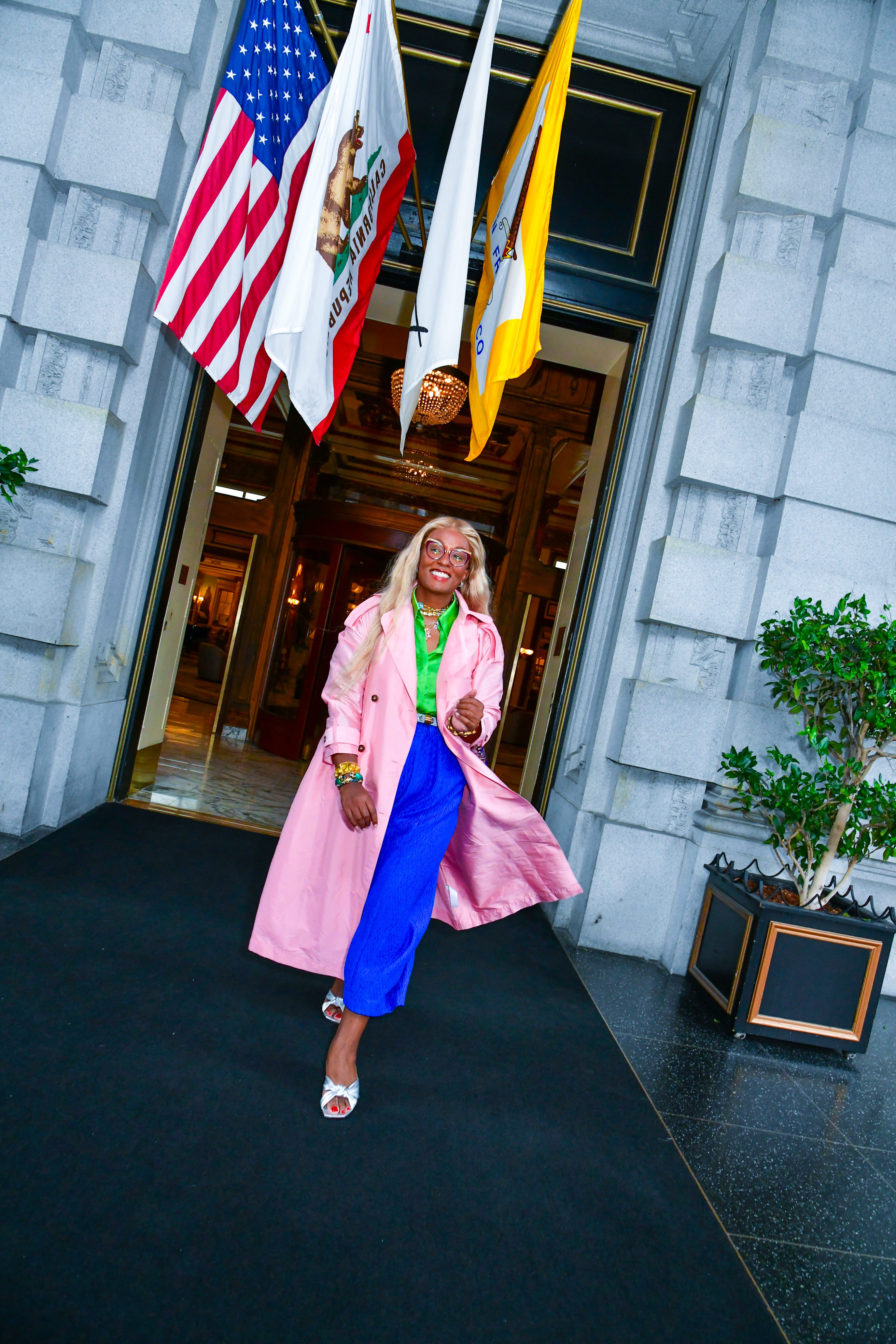
The reality is, whether we like or not, you have to show up. If you’re like me and you’re freelance, you learn fairly quickly that memories are short- and “out of sight is out of mind” as my mother keeps reminding me.
Deactivating my social media pages for 9 months in 2024 revealed to me that while I detest social media for a number of reasons- my invisibility impacted my ability to earn a living.
Whether you lead an organization, or you simply perform an important role at one- the job market has changed.
Now it feels like you have to add “LinkedIn Influencer” to your skillset in order to have mobility in a forever changing job force.
Long gone are the days where “your resume speaks for itself”- that era died in 2015, and so many of us have been slow to adopt on to the new rules.
I am not an expert at showing up on the internet. So I tapped my friend and colleague, Bilen Mesfin of Change Consulting to help us all out.
HOW TO SHOW UP ONLINE ft. BILEN MESFIN + CHANGE CONSULTING

She has been my own trusted crisis communications expert for my own career- aiding me when a picture of me went viral and I was cancelled (one of the 20 times LOL)- and supporting my team and I when Candace Owens used us in her documentary to propel her nasty agenda. I’d link to it, but i don’t want to give that lady airtime.
And the many other moments where I didn’t know who to turn to help fix things. Too many to name.
Bilen Mesfin has built a national reputation as a trusted strategist in crisis communications, narrative change, and movement-centered public relations. As CEO of Change Consulting, she advises nonprofits, politicians, advocacy leaders, and frontline organizations navigating high-stakes visibility—helping them communicate their mission while managing their safety, integrity, and long-term impact.
In this conversation, we explore what it means to show up online- even if you’re like me, and rather not be seen.
Subscribe to Bilen’s Substack:
HOW TO SHOW UP WHEN YOU’D RATHER NOT…

Aria: You’ve been leading crisis communications, communications strategy and PR for some incredible movements and organizations across the country through Change Consulting, and I thought of you instantly when I was thinking of this concept of “how do you show up online when you’d rather not be seen”. HA! Story of my life!
So many of the leaders and organizations you work with are doing powerful, and often quiet work. When someone tells you they feel shy, hesitant, or unsure about being visible online, what do you usually say to them first?
BILEN: First, I want to say these are usually our favorite types of client to work with – folks who have their heads down and are doing the work, and more focused on making impact than making headlines. Because first and foremost, communications is about the work.
Second, I would say “you’re not wrong for feeling that way.”
“The internet was not built with our safety, or our complexity, in mind - especially if you’re a Black leader, female identifying, queer, an immigrant, or sitting at the intersections of all of those.
Feeling shy or hesitant is not a personal failing; it’s often a really accurate read of how risky and extractive the online environment can be for our people.”
I also have been reading The Siren’s Call by Chris Hayew and it reminds me that a key ingredient for getting attention online (or just attention period these days) is shamelessness.
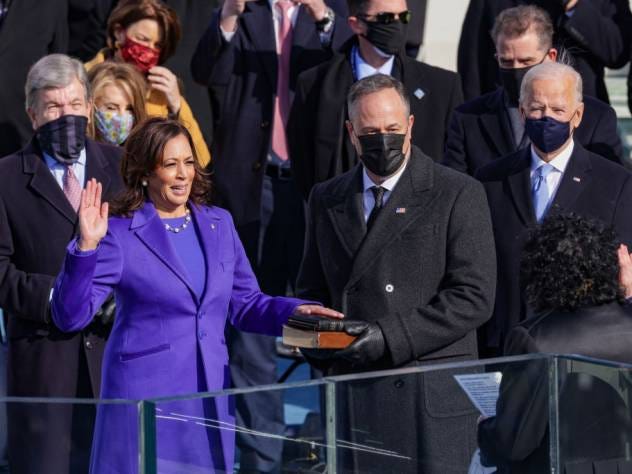
For those of us who do have guardrails for what we want to say, do or represent ourselves online, that will be hard. So I never try to coach people out of that feeling. I try to honor it as wisdom.
From there, I try to separate two things: visibility and performance.
A lot of leaders think “being visible online” means constant content, personal branding, sharing everything, debating trolls.
That’s one model, but it’s not the only one.
So I’ll ask them: “What’s the smallest, truest, most consistent way you could show up online that would still serve your people?”
Sometimes that’s one thoughtful post a week, an ongoing video series, a quarterly update naming what they’re seeing on the ground, or amplifying their organization and partners instead of centering themselves personally.
I also emphasize that you’re allowed to have boundaries.

We can design an online presence that aligns with our risk level and nervous system.
That can look like choosing 1 to 2 platforms instead of trying to be everywhere,
deciding in advance what’s off-limits (family, location, real-time updates), and keeping sensitive organizing in private, encrypted spaces, not public feeds.
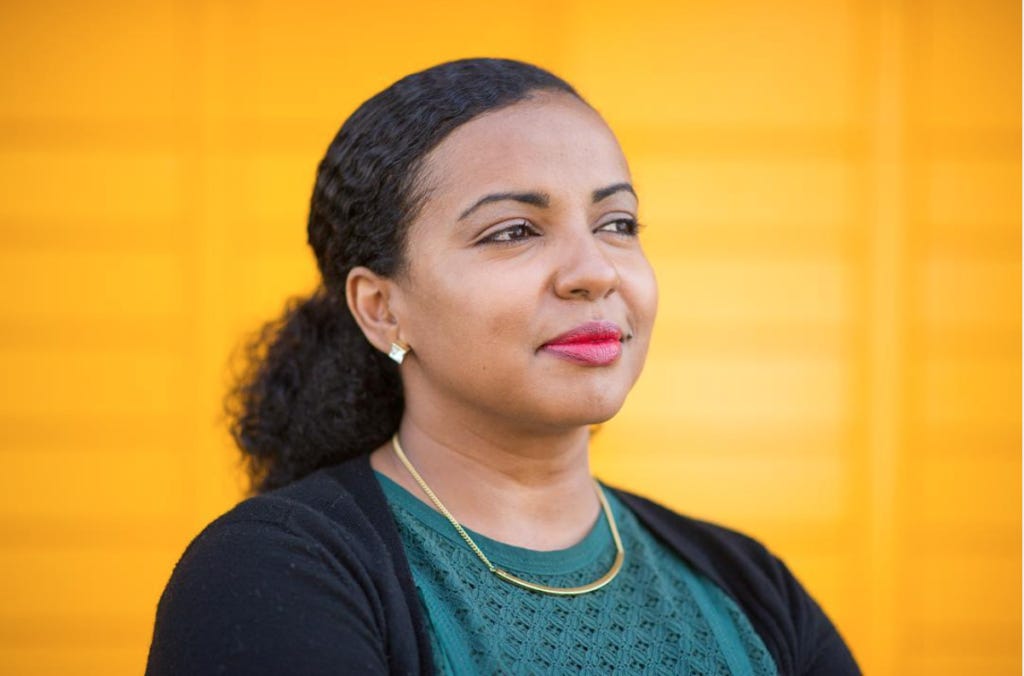
Finally, I remind them that visibility is about purpose and utility.
What is the goal for communicating? Raising funds? Getting the right support from the right audiences to move policy wins?
If we can be clear on who they want to move, and offer those audiences a window into their work or solution, that can make a real impact.
It is possible to show up in a way that protects your humanity and still lets your work be seen.
Should I Take LinkedIn Seriously?!

Aria: You know I hate LinkedIn, right?! Like hate it!!!! (I said this already but it felt necessary to reiterate).
And I think the reason why is it’s agenda is uncloaked in that it feels like you have to have this fully baked personal brand up and running. It’s not really enough to be an employee or a consultant- you have to be a brand too!
With so much out there right now driving all of us to “build a personal brand,” especially in social-impact spaces. How do you define personal branding in a way that feels values-aligned, human, and not performative?
Bilen: I recently posted about Linkedin and some algorithm changes that makes it easier for folks to show up a bit more authentically on there.
I think a lot of that allergy to “personal branding,” the way the platforms are built, it can feel like you’re only allowed to exist as a fully packaged product: a niche, a storyline, a never-ending stream of takes.
In social-impact spaces, that pressure gets even weirder, because it can turn real movement work into content and make advocacy feel like performance instead of practice.
So I don’t use “personal brand” in the influencer sense.
When I’m working with leaders, I define it as thought leadership – the visible through-line between your values, your commitments, and your track record over time, and what you want to be known for now.
It’s not something you invent from scratch; it’s something you clarify and then let people see on purpose.
You can “do personal branding” by letting your real work, your real questions, and your real learning be a little more legible in public—at a frequency and in formats that are sustainable for you.
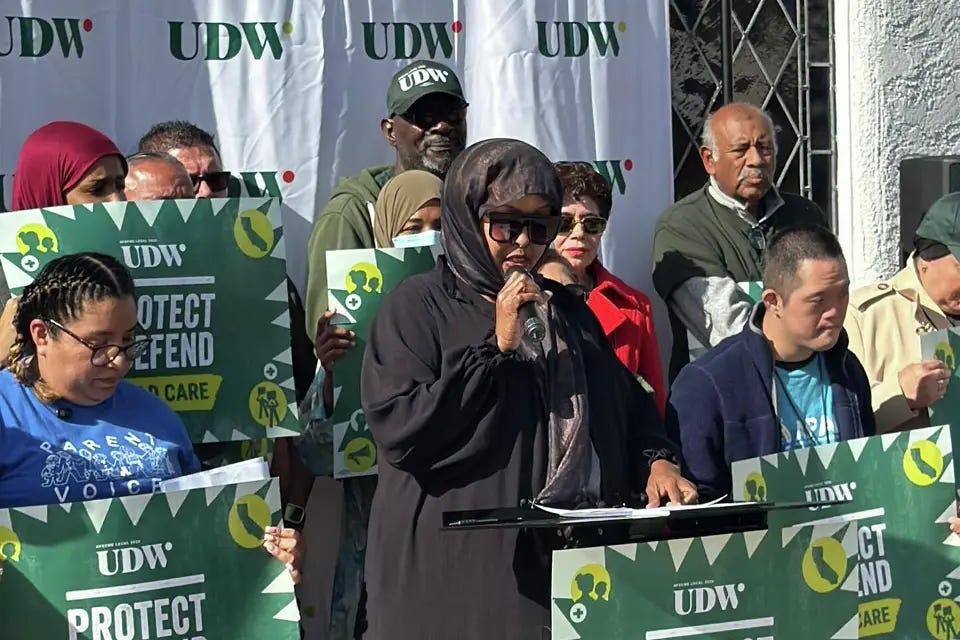
That might look like occasionally naming what you’re wrestling with in your work, lifting up collaborators, or sharing a concrete lesson instead of a polished “thought leadership” thread.
I also think an important part of values-aligned branding is refusing the performative trap.
Performative branding happens when what you project and how you actually operate are out of sync – what some people call an “authenticity gap.”
I learned a long time ago that “how you get it is how you have to keep it”, so for me, it’s better to “get it” by being authentic so it can be sustainable.
So I’d rather see a quiet, occasional presence that’s honest than a high-volume feed that looks great but doesn’t match your practice.
In that sense, the question isn’t “How do I build a brand?”
It’s “How do I make sure that, when people do encounter me online, what they see is a truthful extension of my work and my values – not a performance I have to keep up?”
Authenticity? Who Is She?

Aria: I’ve had the pleasure of working with you and your team at a pivotal time for The Transgender District, as well as with my own platforms.
You and the team at Change Consulting have helped nonprofits, foundations, and movement leaders translate complex, justice-driven work for public audiences.What separates organizations that feel authentic online from those that feel overly polished or disconnected?
Bilen: For me, the difference between organizations that feel authentic online and ones that feel overly polished comes down to this: are they offering true value?
The organizations that feel disconnected are the ones that rush to issue a beautifully worded statement every time there’s a crisis, but you can’t trace those words back to their budgets, their programs, their staffing, or their power-building.
The tone may be flawless, but if there’s no underlying shift in where they move money, who they center, or how they show up over time, audiences feel that gap immediately.

The polish starts to read as distance.
By contrast, the orgs that feel human and trustworthy are usually doing three things:
They treat communications as one piece of their action, not a substitute for it. They’re willing to show receipts: where they’re funding, who they’re partnering with, how they’re changing harmful policies and practices inside their own walls. The message is grounded in material changes, not vibes.
They’re honest about the fact that the work is external, internal, and personal. They talk about what they’re backing in the field, how they’re examining their own policies and culture, and what they’re learning as individual leaders. That humility – “we’re in process, here’s what we’re trying” – feels very different from a perfectly branded value statement.
They communicate in a way that invites people into the work. Instead of just declaring a stance, they share concrete actions, lift up partners, and ask, “What will we do about this?” That moves the conversation from “Look at our statement” to “Join us in doing the work.”
Before you worry about the perfect Tweet or LinkedIn post, ask,
“What are we actually prepared to do or already doing, change, or resource here?”
Say less, and let your actions carry more.
Authenticity online is about making sure what you say is a clear reflection of what you’re actually doing – and are willing to be held accountable for – over time.
Why Do Some Causes Shine And Others Don’t Get Seen?
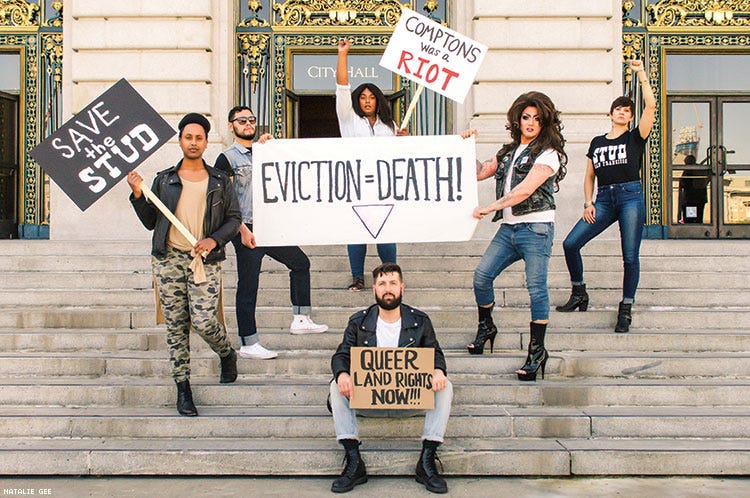
Aria: Something I often discuss with my consulting clients is a reality people hate to illuminate: there are over a million IRS registered nonprofits in the continental United States- and sadly, not all of them are well resourced or thriving in today’s economic landscape. But they all have a mission and a problem they are working to solve in the human experience.
From where you sit, balancing communications strategy and public relations - why do some nonprofits seem to resonate more deeply with audiences—even when they have fewer resources or smaller platforms?
What are they doing differently from a communications standpoint?
Bilen: One differentiator could be that those nonprofits have leaders who treat communications as a core leadership function, not an add‑on.
They resource it with the same seriousness they bring to programs, policy, and organizing, because they understand that in this moment, how you communicate is part of the work, not separate from it.
We are living in a time when everyone is inundated with content and attention is fragmented. That means you can be doing the most powerful, justice‑driven work on the ground and still be invisible to the people you need - community members, decision‑makers, funders - if you don’t have a thoughtful communications strategy and, equally as important, capacity around it.
Leaders who recognize that, and are willing to invest in communications capacity, whether it is having dedicated communications staff or a staff that communicates, are the ones who break through.
They don’t see comms as “spin” or “PR”; they see it as narrative strategy, base‑building, and accountability.
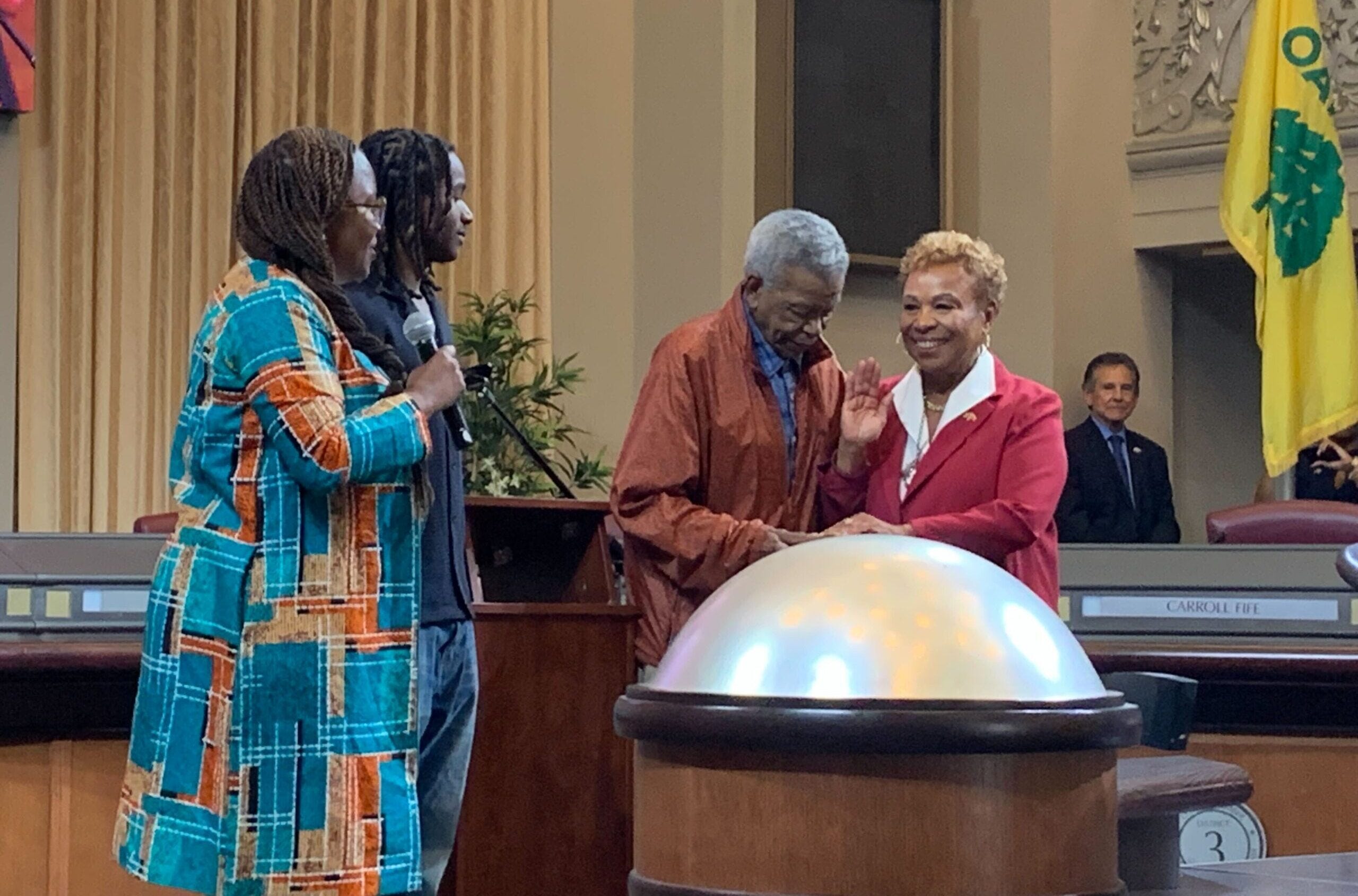
I also think funders have a huge role here.
If you say you care about impact, you have to be willing to fund the infrastructure that makes impact visible and contagious.
That means treating communications staff, narrative strategy, and digital capacity as core infrastructure - just as essential as program staff or policy teams - not as a nice‑to‑have line item that gets cut first.
The organizations that are winning hearts, minds, and policy right now are the ones whose leaders and funders understand that communications is power, and resource it accordingly.
But What If I Am An Introvert?!
Aria: People are often shocked that in my real life, I am incredibly introverted and reserved. I really struggle with public speaking- it makes me nauseous- I avoid it at all costs and always throw up before or after. Still, after all these years. But I guess over the years I’ve “presented” as extroverted when I’m working.
I find that a lot of people believe they need to be extroverted, confident, or constantly “on” to show up online. How can quieter leaders or organizers build presence without betraying or compromising who they are?
Bilen: I am actually shocked by that!
As a fellow introvert, I may be biased but I actually think introverts are effective leaders.
We know how to read a room; we can sense and understand what people want because we spend time listening first; we are introverted but we are often externally focused; we build relationships well because we love one on one interaction vs crowds.
So I want to start by saying: you don’t have to be loud to be a leader. Some of the most powerful leaders I know are not natural extroverts. Their impact comes from listening closely, thinking deeply, and speaking with intention, not from taking up the most space.
For quieter leaders, presence comes from clarity and consistency.
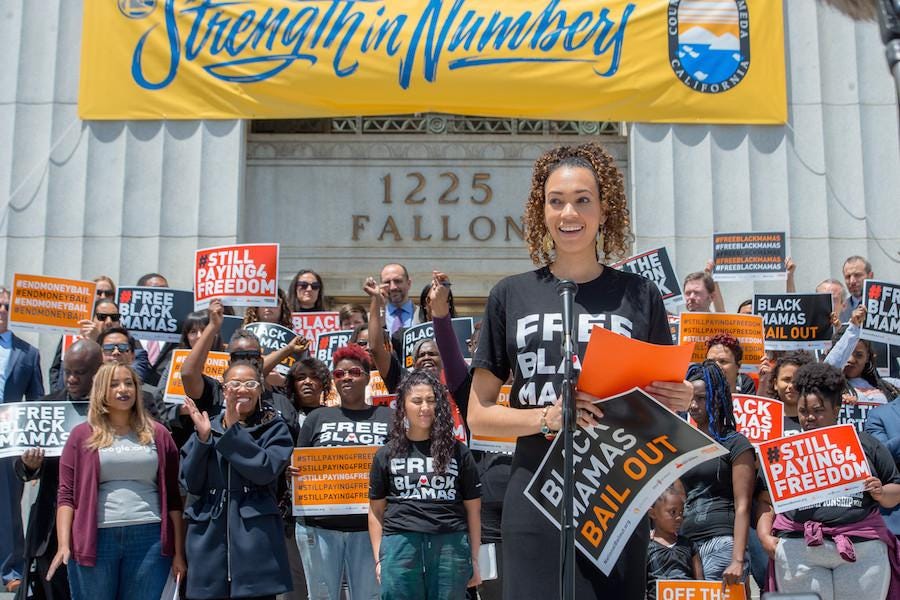
We can take the pressure of performance off ourselves, right?
We don’t need to be everywhere or “on” all the time.
We can choose formats that fit us - for example, I love to write and I also love training on zoom webinars of all things - and then show up regularly in ways that feel sustainable. Let your values and your point of view be what’s loud vs your personality.
The goal isn’t to become more extroverted. It’s to let people see a bit of who we are, on purpose.
I am also a firm believer in always growing and always learning so I have invested in speaking coaches and practice so I can learn some of the techniques and basics to help me more comfortable when in front of others, whether it is a small room or a big one.
Invest in Communications or Hire A Grantwriter?!?!
Aria: I’m sure you’ve seen this in your work over the years as I see it my own: so many leaders think that the first thing they need to invest in is development and fundraising. And it would seem natural- organizations need money.
But in the early days of The Transgender District specifically, I actually invested in Communications FIRST- then fundraising was strengthened later (I did the bulk of the fundraising until I could expand the team).
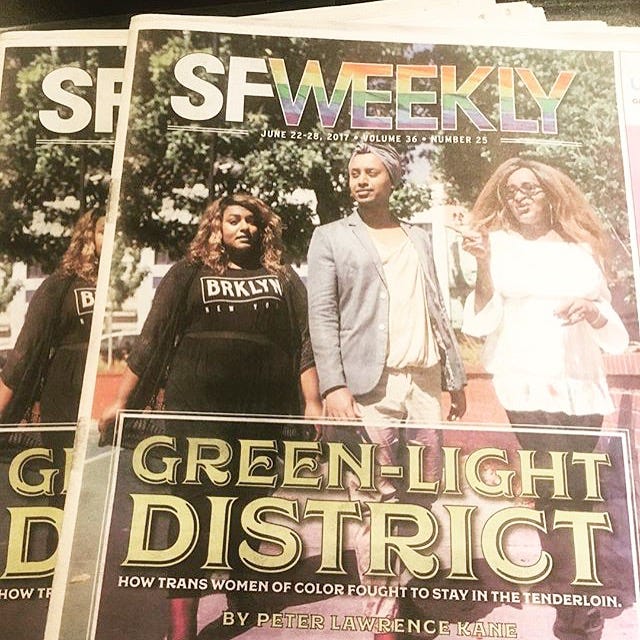
A lot of my audience are fellow social justice leaders or entrepreneurs, so I’d love for you to weigh in on this one. For both entrepreneurs and social justice-focused organizations- navigating crisis, backlash, or political shifts, what role does communications strategy play in protecting both the mission and the people behind it?
Bilen: Yes, this is exactly what I was talking about earlier - you just get it!
One of the biggest shifts I’ve seen and that we’ve lived through with clients is that for social justice organizations, communications is no longer a “nice to have” you get to after development.

It’s a leadership function that protects your people, your mission, and your wins in an environment that is more polarized, more surveilled, and more reactive than ever.
When an organization is navigating crisis, backlash, or big political shifts, a strong communications strategy does three things:
It gives you a plan before the fire starts. That means having a rapid response and crisis comms infrastructure in place - clear roles, decision trees, draft messages, and monitoring systems - so you’re not making it up from scratch in the middle of harm. The groups that hold their ground are the ones that know who speaks, what they’ll say, and where they’ll say it when their work or people are attacked.
It protects your people while holding your line. Thoughtful crisis and rapid response strategy lets you correct misinformation, push back on bad-faith attacks, and stand with your communities.
It defends the mission so you can keep organizing. When you’re under attack, every hour you spend untangling rumors or scrambling over a bad statement is an hour you’re not building power. Strategic communications helps you stabilize the narrative, rebuild trust, and get back to the work faster.
Rapid response and crisis communications are not a side specialty anymore. They’re baked into overall strategic communications.
We have to defend as we build.
How To Not Feel “SELF PROMOTIONAL” When Showing Up Online

Aria: Let me also just say, like I’ve said - I hate LINKEDIN.
But when I see how you have been engaging in storytelling on there, it reminds me that I don’t need to try to be a LinkedIn “influencer”.
Whether I like it or not, LinkedIn has become an unexpected space for thought leadership, organizing, and storytelling.
How can nonprofit leaders and advocates show up on LinkedIn in a way that feels grounded, not corporate or self-promotional?
Bilen: Have a goal for why you are on Linkedin or any platform. Our time is precious so our moves must be purposeful.
Who are you trying to reach and what do you want to be known for?
For me it is primarily to reach folks who could be our clients or to help nonprofits and organizers with some examples, case studies and strategies. With that in mind, I post 1-2 things a week aligned with that purpose.
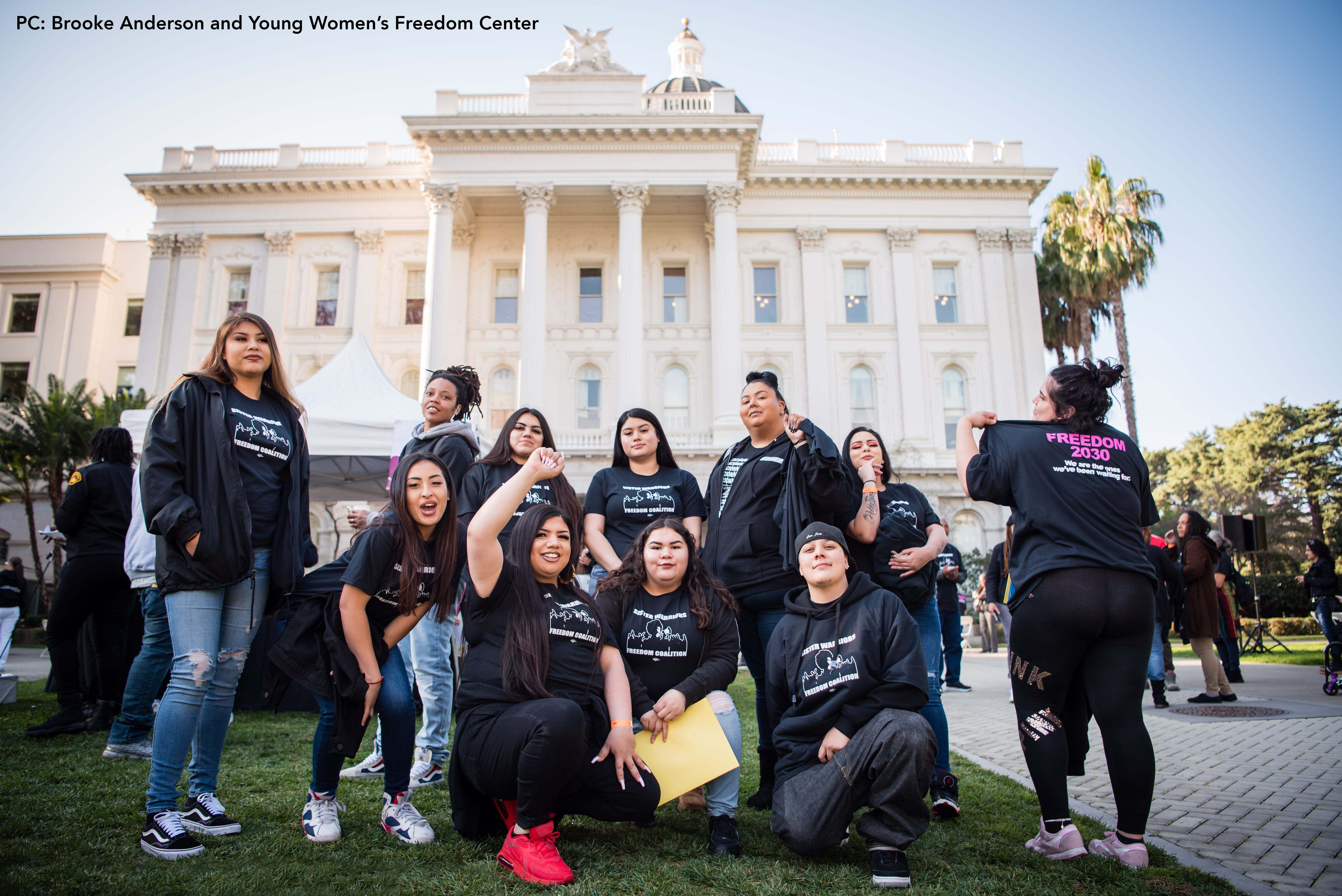
I don’t believe in vanity metrics–I measure the impact of communications success by whether or not the strategy or tactic helped move the needle on the thing we actually want to get done.
So I would say,
Start with the goal in mind and think about the audience you need to reach to meet that goal, and the messages you need to have in mind to move them.
For those of us who want to share our perspectives but who shy away from posting on LinkedIn because of the overwhelming amount of “clickbaity” noise, I’ve noticed a shift on the platform.
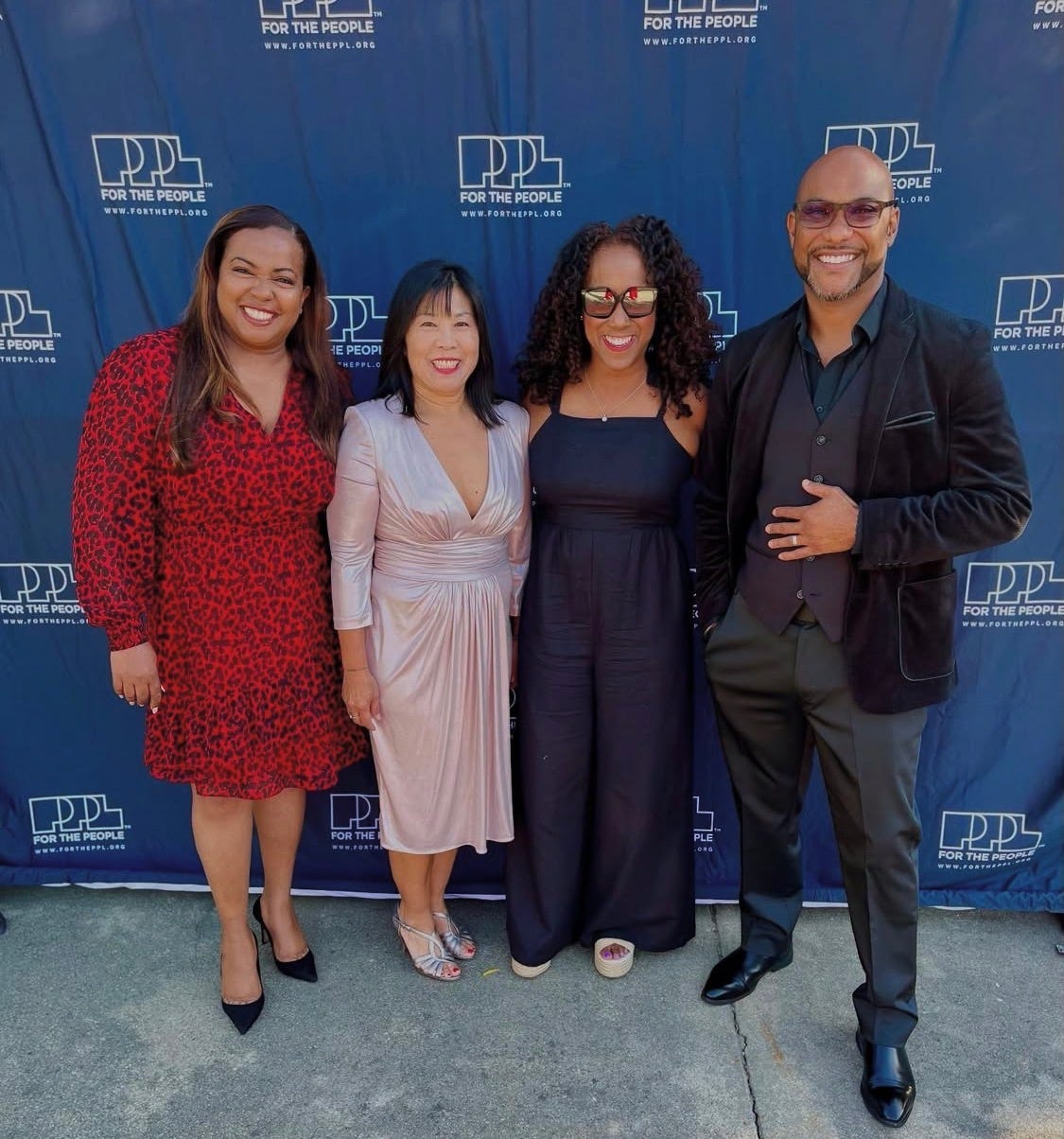
Over the past few months, the posts that travel far feel more relevant, specific, and worth reading. LinkedIn is now rewarding authority over attention. A few algorithm shifts Social Bee points out and I’m seeing play out in practice
• Expert-led content is getting more visibility. Frameworks, analysis, industry breakdowns, and lessons learned.
• Posts should actually say something. Clickbait and vague storytelling are getting less traction.
• Hashtags matter less than they used to. LinkedIn seems much better at understanding what you’re actually talking about based on the text itself.
• Comment quality matters more than comment volume. Thoughtful replies that move the conversation forward appear to extend a post’s life.
• Relevance is beating recency. Posts can stay active for days (even weeks later) if they continue to resonate with the right audience.
• Depth and clarity matter. Straightforward text posts outperform slick formats when they actually help people think, decide, or do something differently.
This feels like a shift to “what’s useful.”
If you’re a leader and want to post more, be clear about what you want to be known for. Share insight that teaches or challenges, not just promotes.
Pay attention to who’s engaging and why.
Be genuinely helpful.
Right now, clarity and usefulness are what we all need most.
Thank you Bilen + Change Consulting for weighing in.
I’m so grateful for you and your entire team!!!!
Be sure to subscribe to Bilen’s substack and follow her on LinkedIn!
To learn more about Change Consulting: click here.
MORE TO READ:
If You’re Stressed About Money Right Now, Read This

It feels a little strange for me to be sharing budgeting and financial planning advice—so I won’t!